
Evidence-Based Analysis of Drug Repurposing Research
We review peer-reviewed scientific literature on fenbendazole, ivermectin, BPC-157, and other compounds being studied for their therapeutic potential.

Fenbendazole and Ivermectin: Combination Claims and Evidence
Different laboratory mechanisms do not prove that a combination helps patients. This review explains what the cited studies test and why safety claims need clinical evidence.
Read full analysis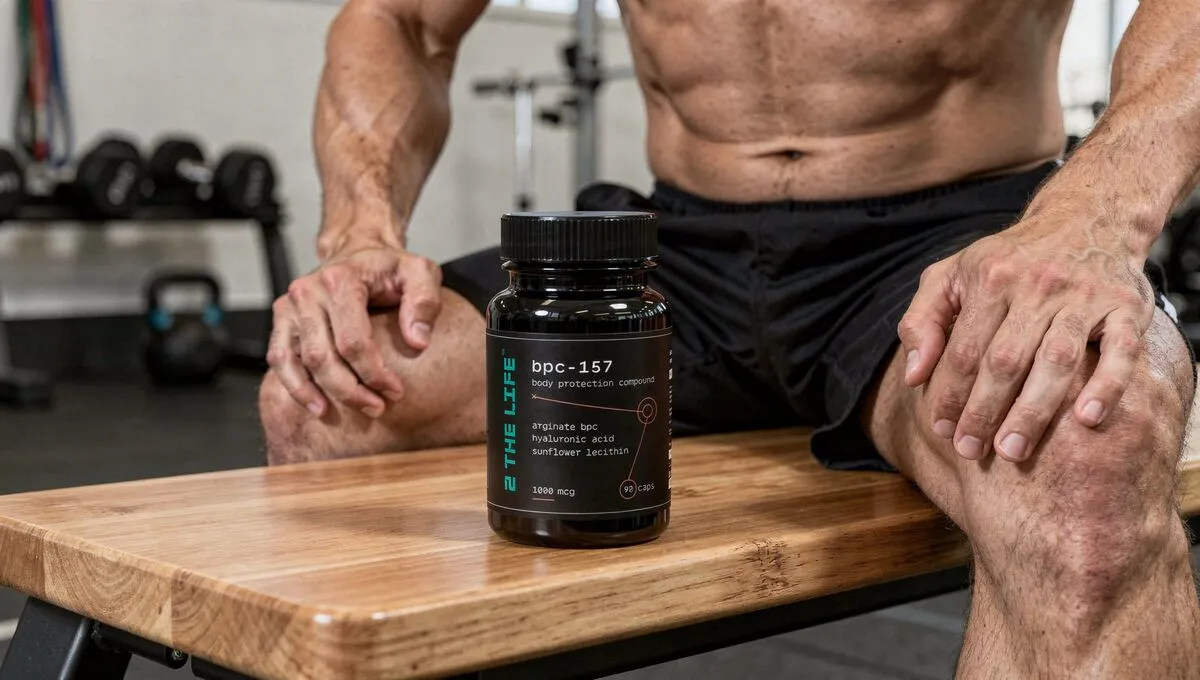
BPC-157 Research: What Studies Show and What Remains Unknown
Animal findings, cell mechanisms and limited human reports answer different questions. This review explains the evidence without turning it into treatment advice.
Read more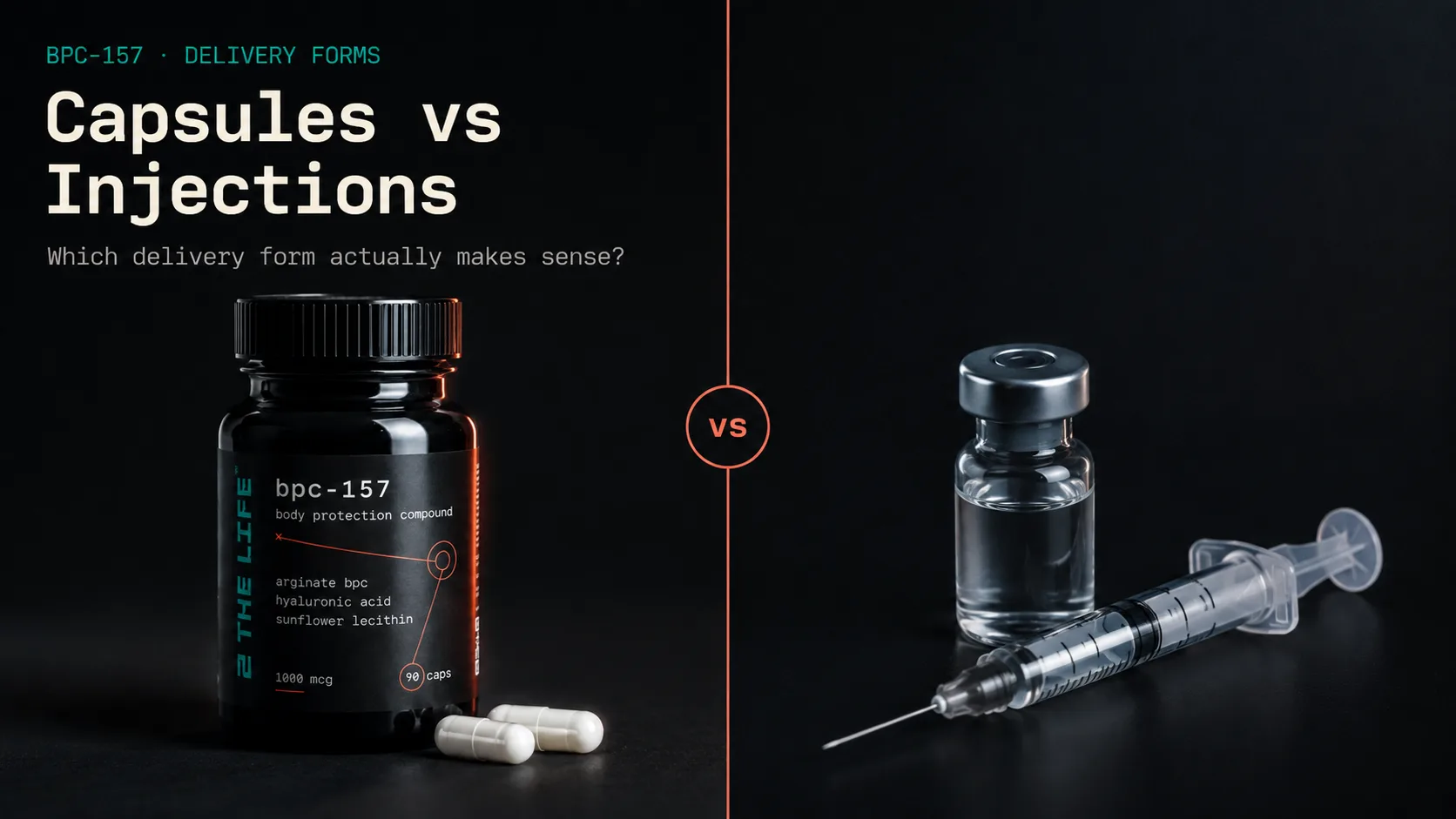
BPC-157 Capsules vs. Injections: What the Evidence Can Tell Us
Capsules and injections have different evidence gaps. Learn what human reports and an oral trial registry can—and cannot—tell us about BPC-157.
Read more
Fenbendazole Dosage: Why There Is No Approved Human Regimen
Fenbendazole label amounts and online schedules do not establish an approved human regimen. This guide explains the evidence gap and documented safety concerns.
Read more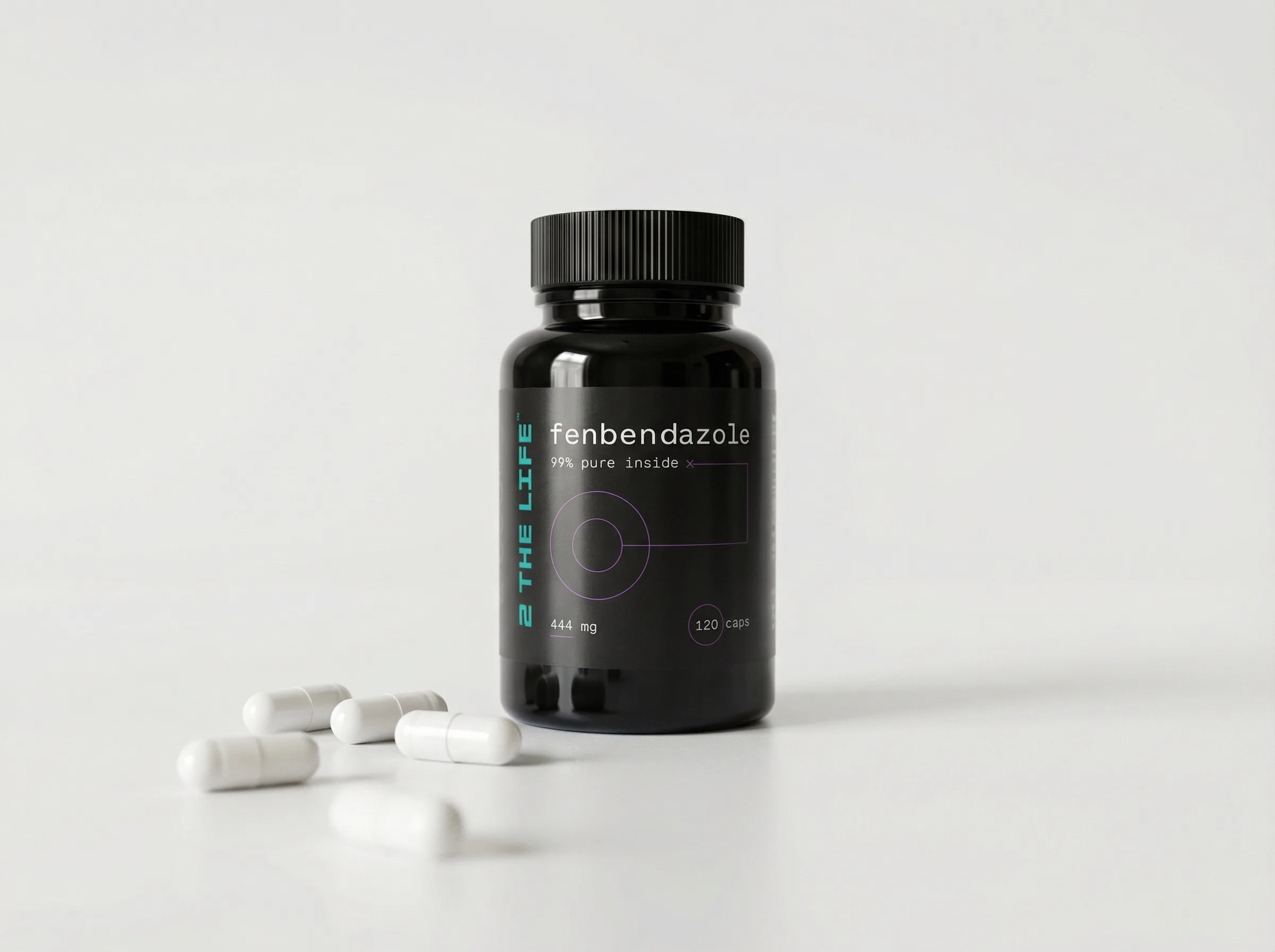
Fenbendazole 222 mg vs 444 mg: Understanding the Labels
The two strengths differ in declared quantity per capsule. Compare the catalog specifications without treating either label amount as a human recommendation.
Read more
Fenbendazole and Cancer: Evidence, Limits and Safety
Fenbendazole has been studied in laboratory cancer models. This review explains the limits of that evidence and published liver-injury reports without recommending a human dosing protocol.
Read more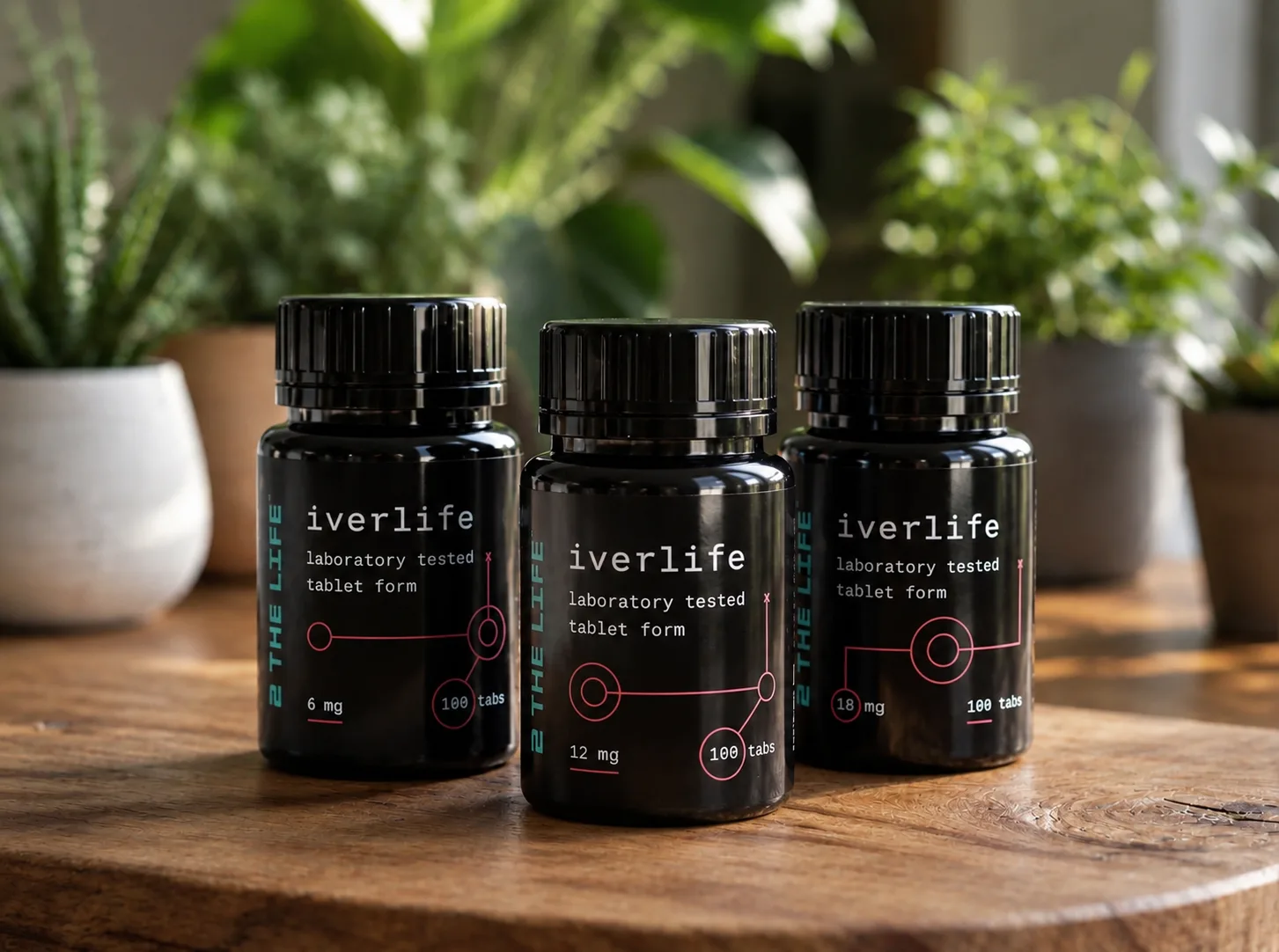
Ivermectin and Cancer: What the Science Really Says
A source-based review of ivermectin cancer research, distinguishing laboratory findings and an ongoing clinical trial from treatment claims, with current editorial warnings.
Read more
Joe Tippens Protocol: Understanding the Claims and Evidence
A patient story cannot establish a safe and effective cancer regimen. This review explains how to assess the evidence and discuss investigational options with an oncology team.
Read more