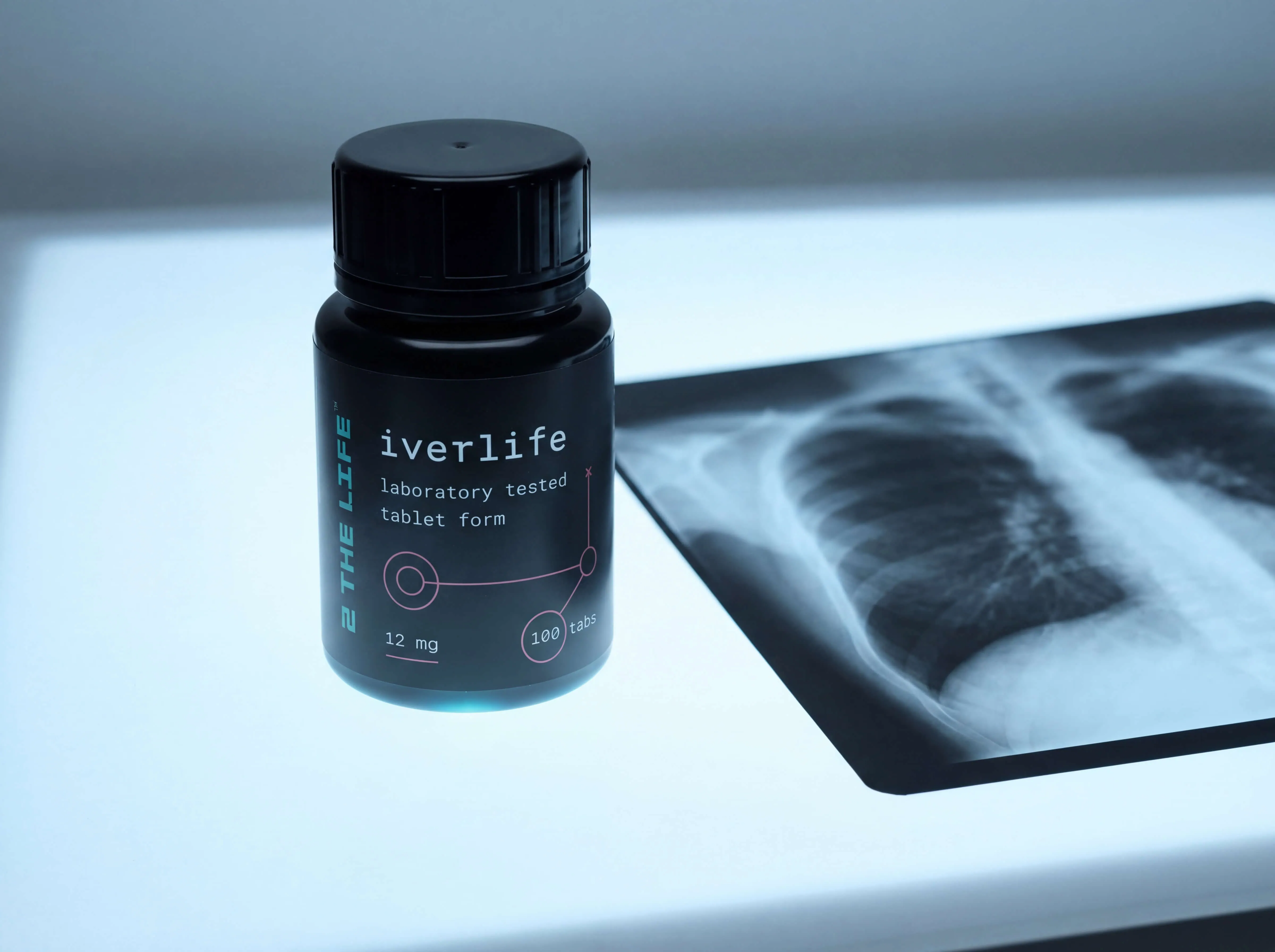
The name “Joe Tippens protocol” is used online for a fenbendazole-based self-treatment approach to cancer. A personal story may prompt research, but it cannot establish which treatment caused an outcome or provide a reliable regimen for another person. This article examines how to assess those claims.
Evidence checked September 10, 2026. The discussion below contains no recipe, dose, cycle or supplement stack. Its purpose is to help readers distinguish an account of events from clinical evidence.
What a personal account cannot establish
Even a sincere account does not provide a comparison with what would have happened without the proposed treatment. If several substances or medical treatments are involved, it cannot separate their contributions. Publicly shared stories may also lack the complete records and follow-up needed to assess an outcome.
This is why clinical research uses defined eligibility criteria, outcomes and comparison methods. The National Cancer Institute explains that random assignment helps reduce bias when researchers compare treatments. Repeating a personal story across websites does not turn it into that kind of study. [4]
What the fenbendazole research shows
A frequently cited 2018 paper by Dogra and colleagues investigated fenbendazole in cancer cells and mouse xenografts. It reported experimental effects involving microtubules and cellular processes. It was not a trial of the Joe Tippens approach in patients and does not establish a human cancer treatment or dosing recommendation. [1]
A description such as “human cancer cells” refers to the origin of a laboratory model. It does not mean that people received the compound or that a clinical benefit was demonstrated. An animal experiment and a patient's reported experience answer different questions; placing them side by side does not resolve that gap.
Veterinary approval is not a cancer indication
FDA's January 2026 fenbendazole announcement concerns deworming products for cattle and goats. It is not approval of a human cancer use. Animal-product availability, a familiar ingredient name or a purity statement cannot establish suitability for a person with cancer. [5]
Safety cannot be inferred from testimonials
Published case reports describe liver injury after people self-administered fenbendazole. Yamaguchi and colleagues reported a case in a patient with lung cancer; Thakurdesai and colleagues described severe, biopsy-confirmed injury in another patient. These observations warrant attention even though individual cases cannot measure the frequency of harm. [2] [3]
A proposed routine of rest days or laboratory tests is not evidence that an unvalidated regimen is safe. The reports cited here do not establish a self-treatment schedule or a monitoring plan that prevents injury. Tell your oncology team about medicines and supplements you have taken so they can assess your situation.
How to evaluate a protocol claim
- Look for a complete study, not only a quotation, testimonial or product page.
- Check whether the evidence concerns cells, animals or patients.
- Identify concurrent treatments and whether there was a suitable comparison group.
- Ask whether a claimed response was documented and assessed independently.
- Check the publication record for corrections, retractions or editorial warnings.
Discussing investigational options
Bring the actual sources to the treating team and ask what they establish for your cancer and current care. FDA describes clinical trials and, under particular conditions, expanded access as routes for investigational medicines. Eligibility and oversight requirements apply; those routes are not a general authorization to follow an online protocol. [6]
The verified sources below do not establish the Joe Tippens approach as a cancer treatment. Do not replace or delay prescribed oncology care because of a testimonial. Our fenbendazole evidence review explains the laboratory findings and safety reports in more detail.
References
- Dogra N, Kumar A, Mukhopadhyay T. Fenbendazole acts as a moderate microtubule destabilizing agent and causes cancer cell death by modulating multiple cellular pathways. Scientific Reports 2018;8:11926. DOI: 10.1038/s41598-018-30158-6.
- Yamaguchi T, Shimizu J, Oya Y, Horio Y, Hida T. Drug-Induced Liver Injury in a Patient with Nonsmall Cell Lung Cancer after the Self-Administration of Fenbendazole Based on Social Media Information. Case Reports in Oncology 2021;14(2):886–891. DOI: 10.1159/000516276.
- Thakurdesai A, Rivera-Matos L, Nagra N, Busch B, Mais DD, Cave MC. Severe Drug-Induced Liver Injury Due to Self-administration of the Veterinary Anthelmintic Medication, Fenbendazole. ACG Case Reports Journal 2024;11(5):e01354. DOI: 10.14309/crj.0000000000001354.
- National Cancer Institute. How Do Clinical Trials Work?.
- U.S. Food and Drug Administration. FDA Approves First Generic Fenbendazole Oral Suspension Dewormer for Beef and Dairy Cattle, Goats. 2026-01-22.
- U.S. Food and Drug Administration. How can I get access to a drug that is in testing but has not yet been approved?.